The voyage to reach this remote atoll is the stuff of legend. It’s not a quick hop or an easy charter. It’s a commitment, a pilgrimage that separates the curious from the committed. When seven of us decided it was time for this adventure, this epic saltwater fly fishing binge, we knew we weren’t just booking a trip. We were signing up for something that would test us, transform us, remind us why we do this impossible thing in the first place.But for me, this trip carried extra weight. Thirteen years ago, I arrived at St Brandons as a rookie guide. Fresh-faced, inexperienced, with no frame of reference for just how special this place was. I was there to work, to learn, to figure out if I could make a life in this business. The irony is sharp now-I was standing in one of the most extraordinary saltwater fly fishing destinations on the planet, and I didn’t fully comprehend what I had. You don’t know what you don’t know until you’ve seen enough of the world to understand what rare truly means.
Thirteen years of guiding. Thirteen years of chasing fish across oceans and continents. Thirteen years of standing on the bow of skiffs in a dozen different countries, learning what makes water special, what makes fishing transcendent. And all that time, St Brandons sat in the back of my mind like an itch that needed scratching.
But I was nervous. Really nervous.
Would it be as good as I remembered? Had it been protected? Or had I built it up in my mind into something it never really was? Memory has a way of polishing things, of turning good into great, great into legendary. What if going back shattered the illusion? What if the place that launched my career turned out to be just… ordinary?
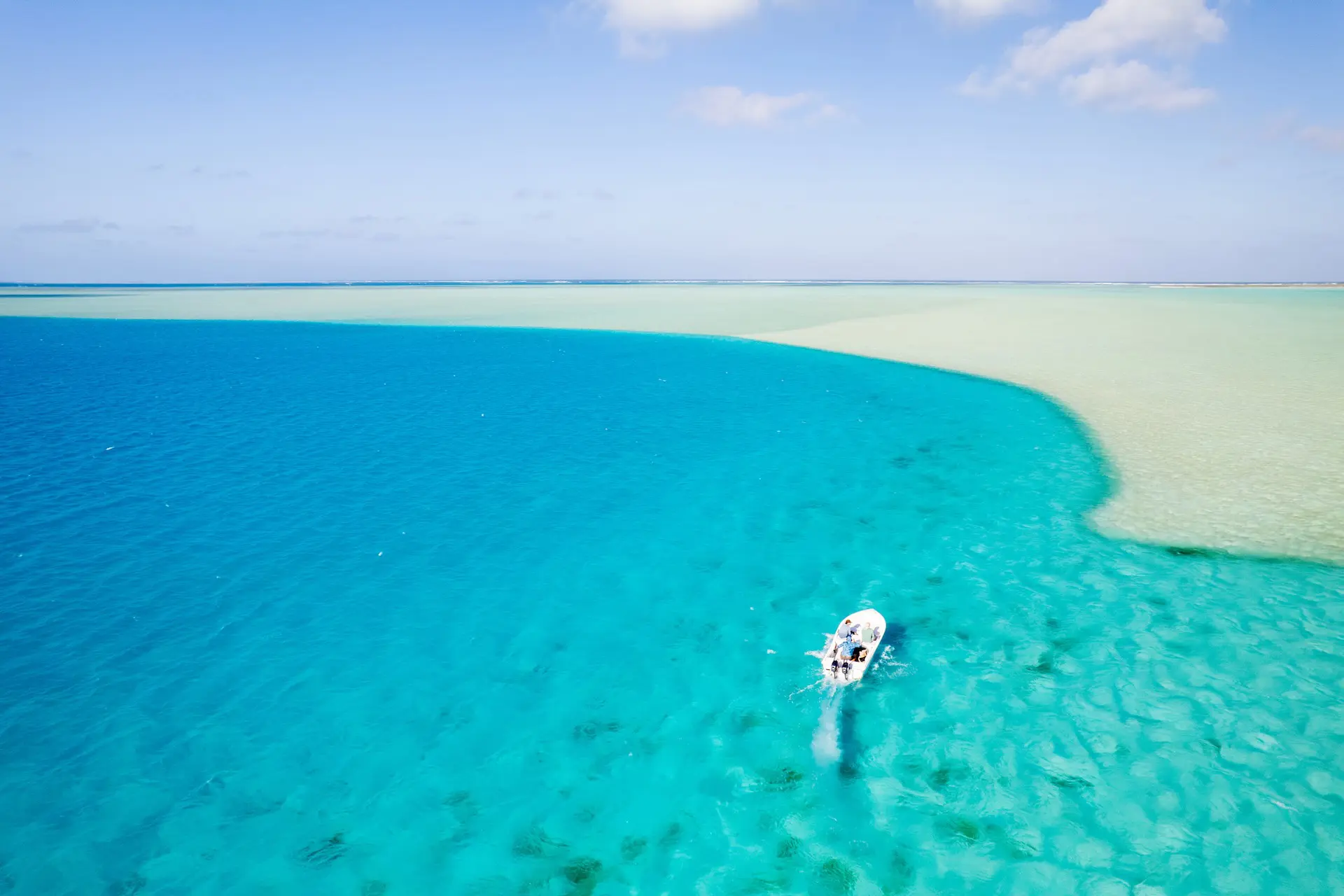
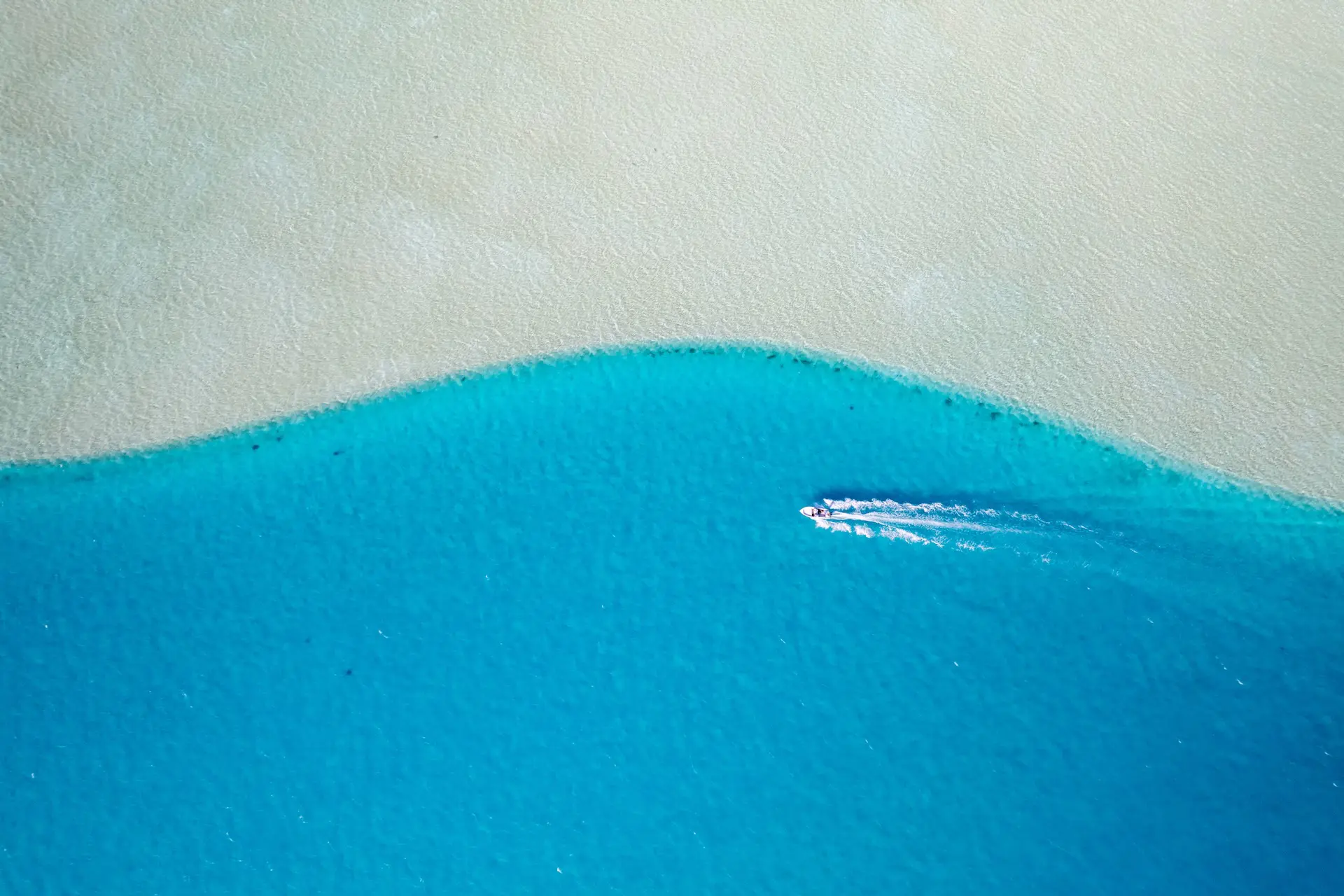
The approach to the atoll is cinematic. Hours of open ocean, then suddenly-impossibly-the water changes color. Deep blue gives way to turquoise, to jade, to colors that don’t have names. Sandbars materialize like mirages. The isolation is absolute. There’s nowhere to escape to, nothing but fish and flats and the kind of silence that makes you hear your own heartbeat.
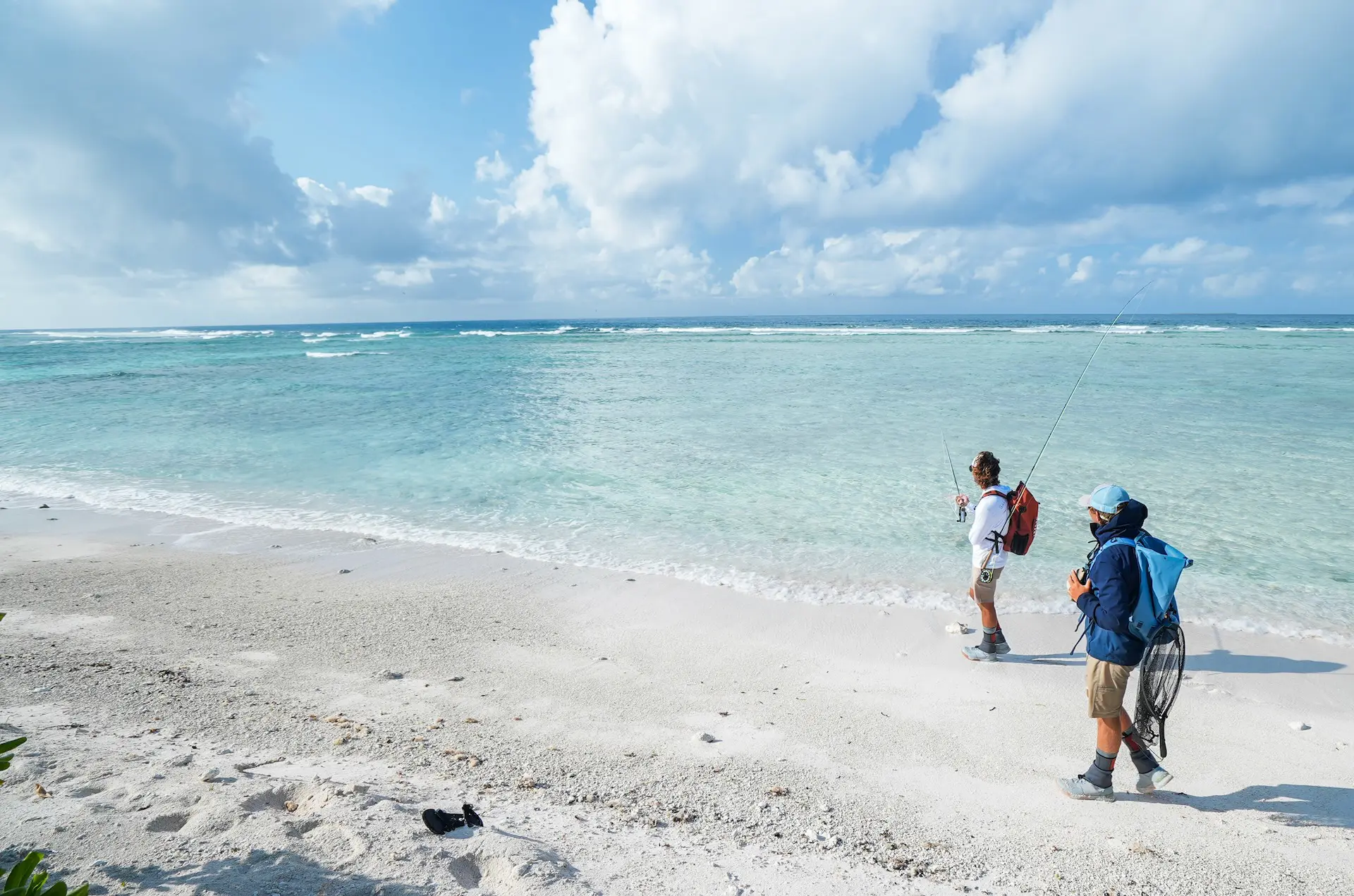
First day on the flats. Rod in hand. Thirteen years of wondering about to be answered.
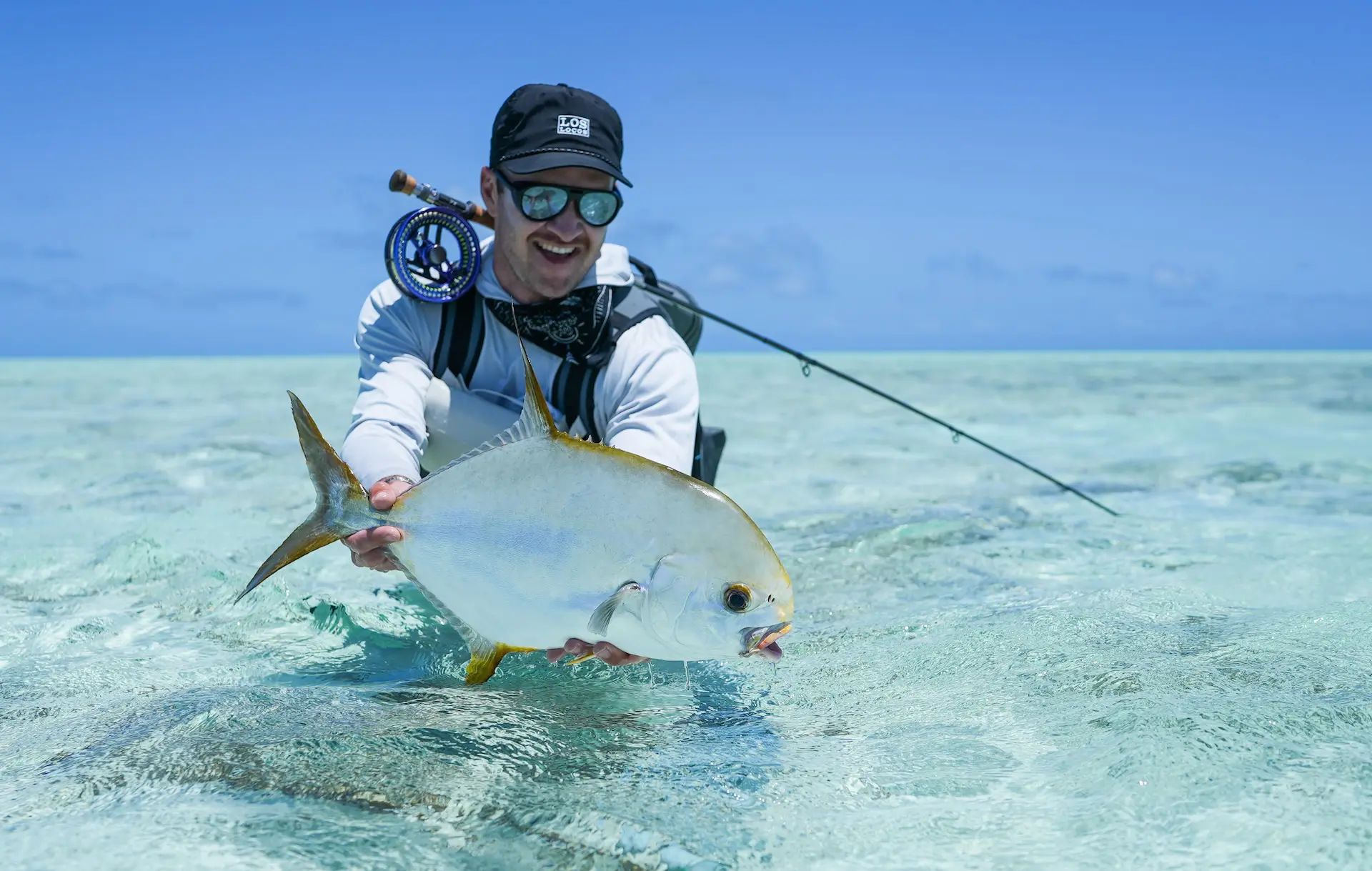
And then I saw them. Tailing permit. Everywhere.
I caught none. Not a single one.
They ate flies next to mine. They followed and refused. They spooked at the last second. They did everything except actually end up on the end of my line. It was maddening, humbling, and absolutely perfect. Almost like they wanted to give me a bit of a rude welcome back. Hello, my old friends. You remember us? We remember you.
But here’s the thing-I wasn’t disappointed. I was elated. Because casting to 60+ tailing permit in a single day isn’t normal. It’s not even close to normal. It’s the kind of fishing that exists in maybe a handful of places on the entire planet. St Brandons hadn’t just lived up to my memories. It had exceeded them.
The permit fishing proved to be really challenging. Just the way it was supposed to be. But luckily, thirteen years later, I’ve learned a thing or two. I was ready for the challenge this time.
Sometimes it’s as “simple” as breaking the mold. Add six extra feet of tippet. Go a little lighter. Drop down in fly size. Small adjustments that separate rookies from experienced anglers, adjustments you only learn through years of getting humbled by permit on flats around the world.
In this case, that’s exactly what it took.
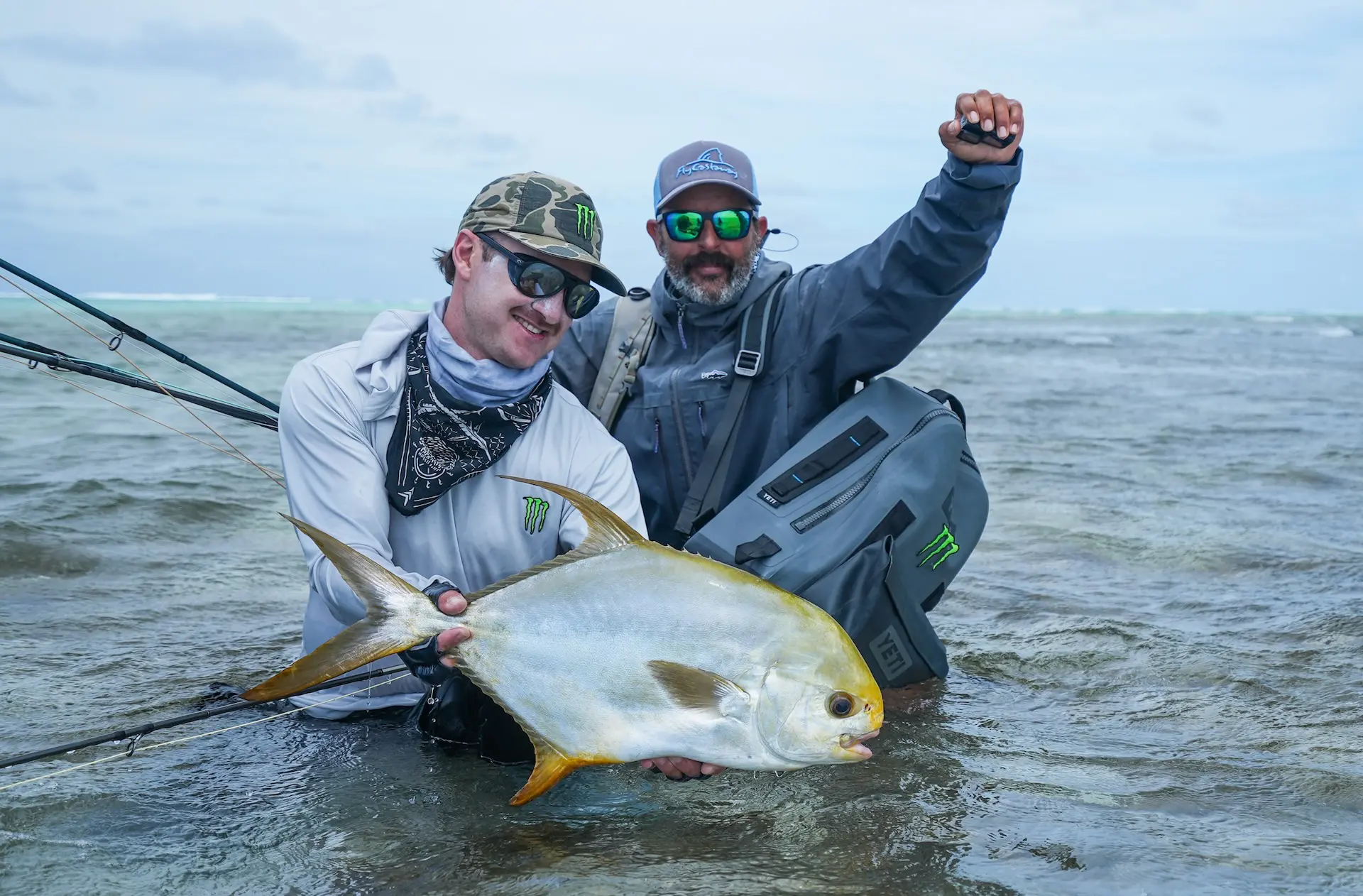
I cracked the code. The takes started coming. And when St Brandons permit finally decide to eat, they don’t mess around. I got some great fish to hand-fish that fought with that characteristic permit fury, fish that made those 60 refusals on day one feel like they were all part of the plan, all part of the lesson.
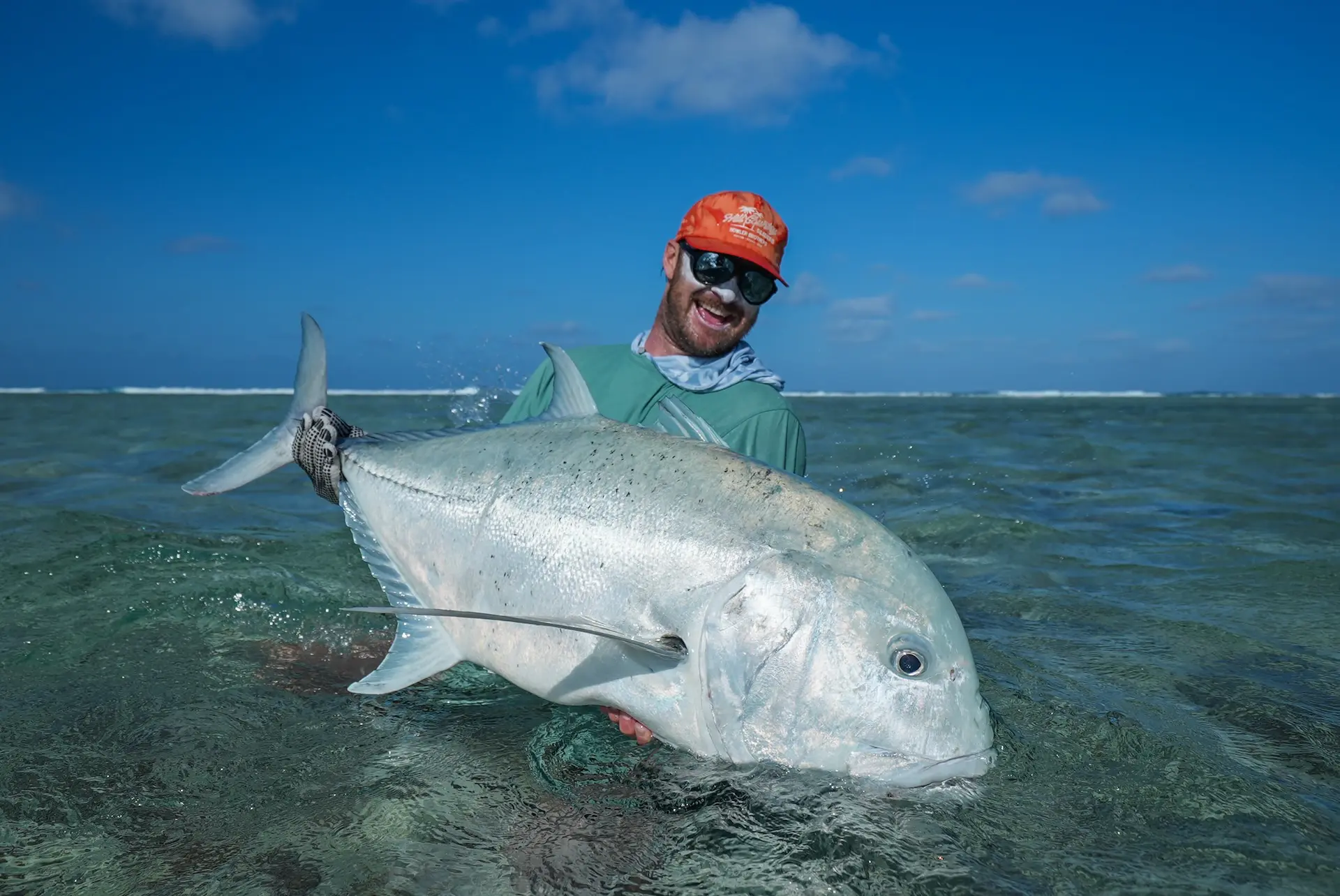
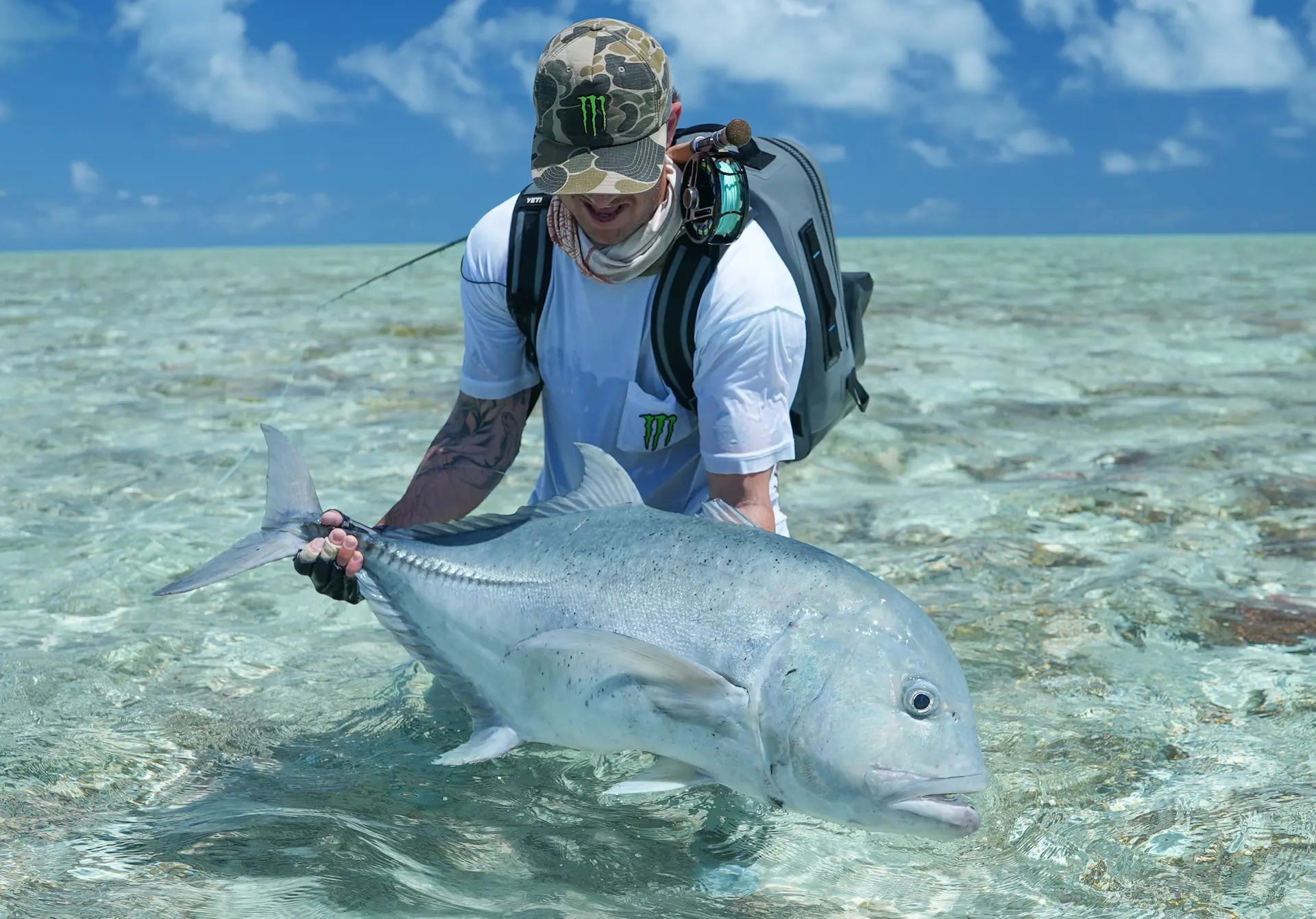
Then you get the infamous St Brandons Giant Trevally. Creatures of legendary status.
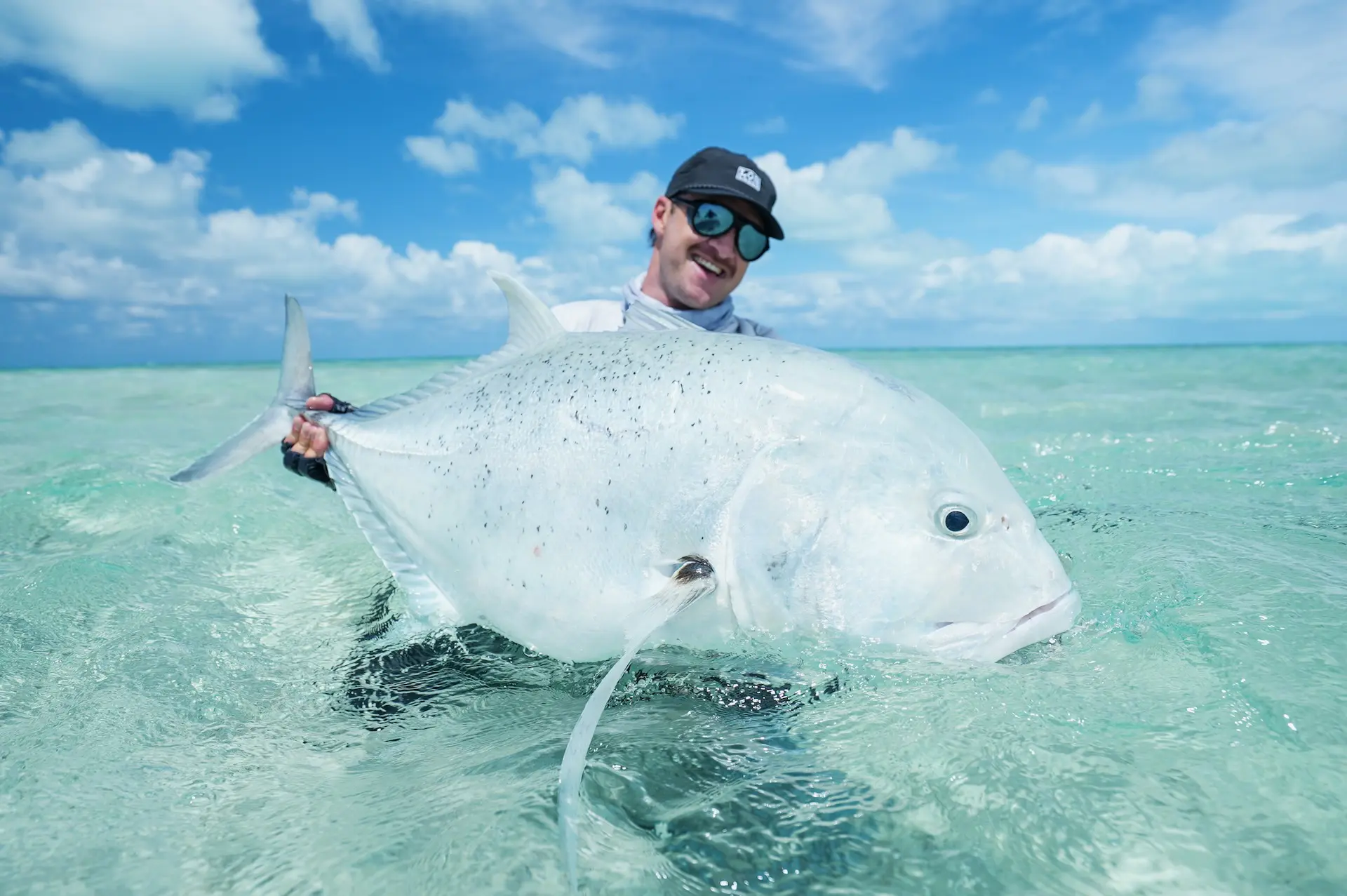
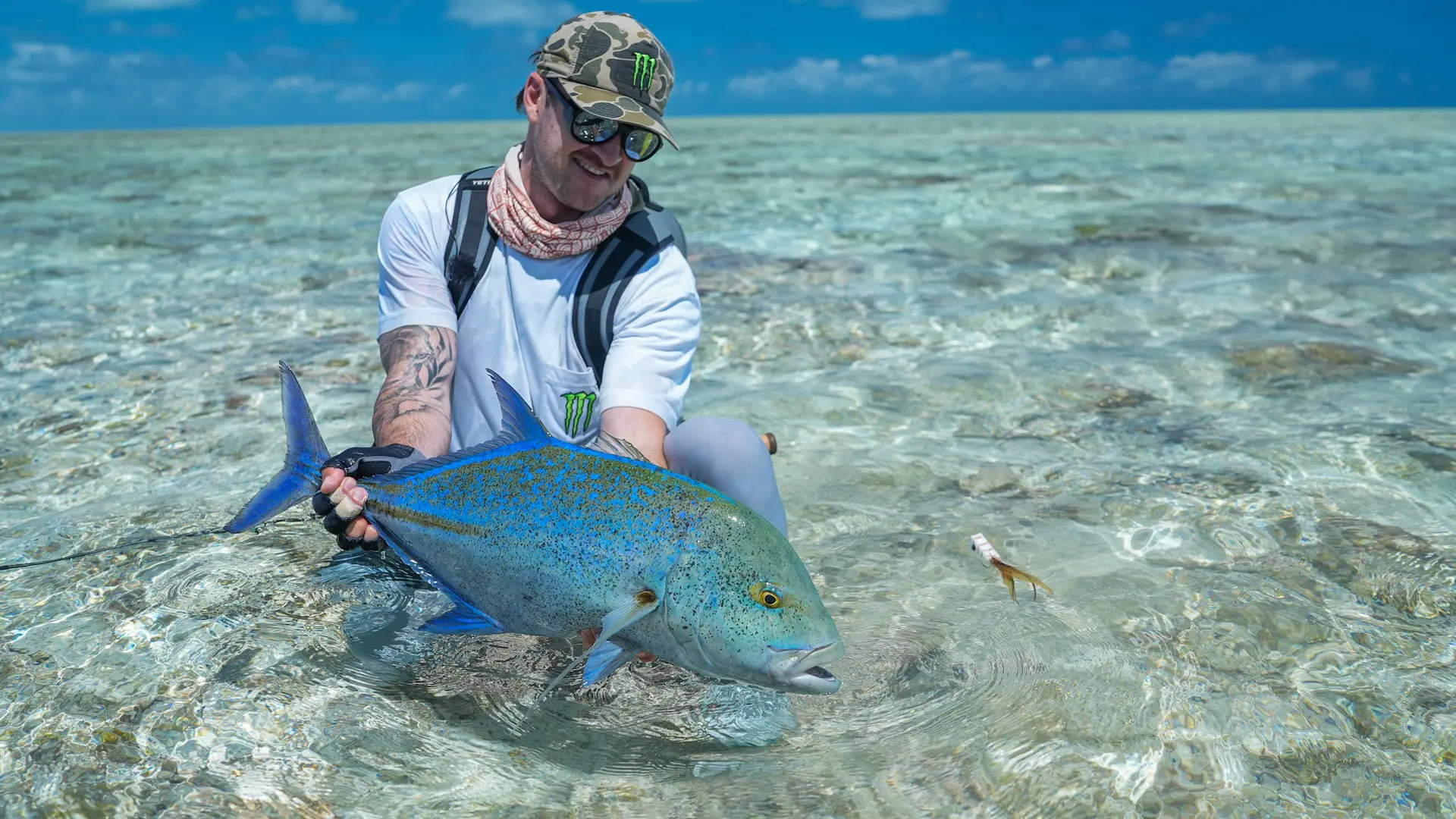
GTs are badass everywhere, every time. They’re apex predators that test tackle, test anglers, test your resolve. But then you get the GTs of St Brandons. They’re BIG. Bigger than most other places. These fish operate on a different scale entirely.
Thirteen years ago, during that rookie guiding stint, I caught my personal best GT here. It stretched the tape to 132cm. To this day, it remains the longest GT I’ve ever caught. Not in the Seychelles. Not in the Maldives. Not in any of the dozens of places I’ve fished since. St Brandons.
That 132cm fish wasn’t just a personal best. It was a turning point. As a rookie guide, catching a GT of that magnitude taught me more in those ten minutes of battle than weeks of watching from the poling platform ever could. It showed me what this water was capable of. It showed me what I was capable of. It set a bar that still stands today, no matter how many flats I’ve walked, no matter how many countries I’ve fished.
Coming back, I wondered if the GTs would still be that size. If that 132cm fish was an anomaly or if St Brandons genuinely produces fish of that caliber consistently. The answer came quickly-these GTs are still every bit as legendary as I remembered. Massive, aggressive, relentless. The kind of fish that make you question your tackle choices, your knot-tying skills, your life decisions.
St Brandons doesn’t compromise. It’s raw, unfiltered, relentless in its intensity. The fishing here operates on a different frequency-bigger fish, wilder takes, scenarios that seem too good to be true until they’re happening in front of you. This is what people mean when they talk about “untouched.” Not pristine in some sanitized way, but genuinely wild, genuinely remote, genuinely indifferent to whether you succeed or fail.
Walking those flats again after thirteen years felt like stepping through a portal. The landscape was familiar, but my perspective had completely transformed. As a rookie guide, I was just trying to keep clients happy, trying not to mess up, trying to learn the basics of reading water and spotting fish. Now, with a rod in my hand and years of experience behind me-armed with those hard-won lessons about tippet length and fly selection-I could finally see St Brandons the way it deserves to be seen, and fish it the way it demands to be fished.
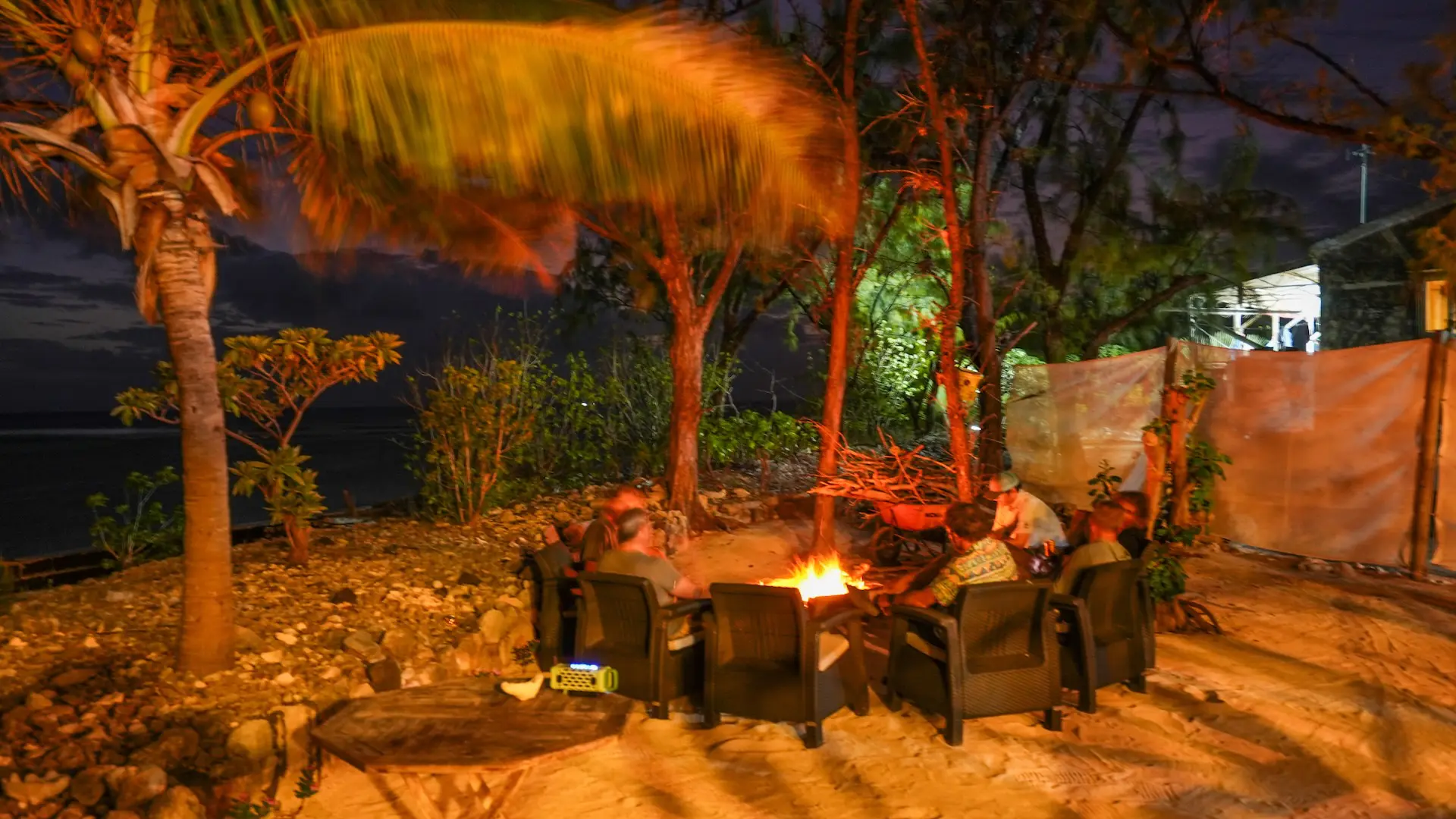
The group of eight became a tribe. In places this remote, this demanding, you either bond or break. We bonded. Swapping stories between sessions, celebrating each other’s fish, commiserating over the ones that got away. That’s what happens when you’re 245 nautical miles from anywhere-the barriers come down, the ego gets smaller, the fishing gets bigger.
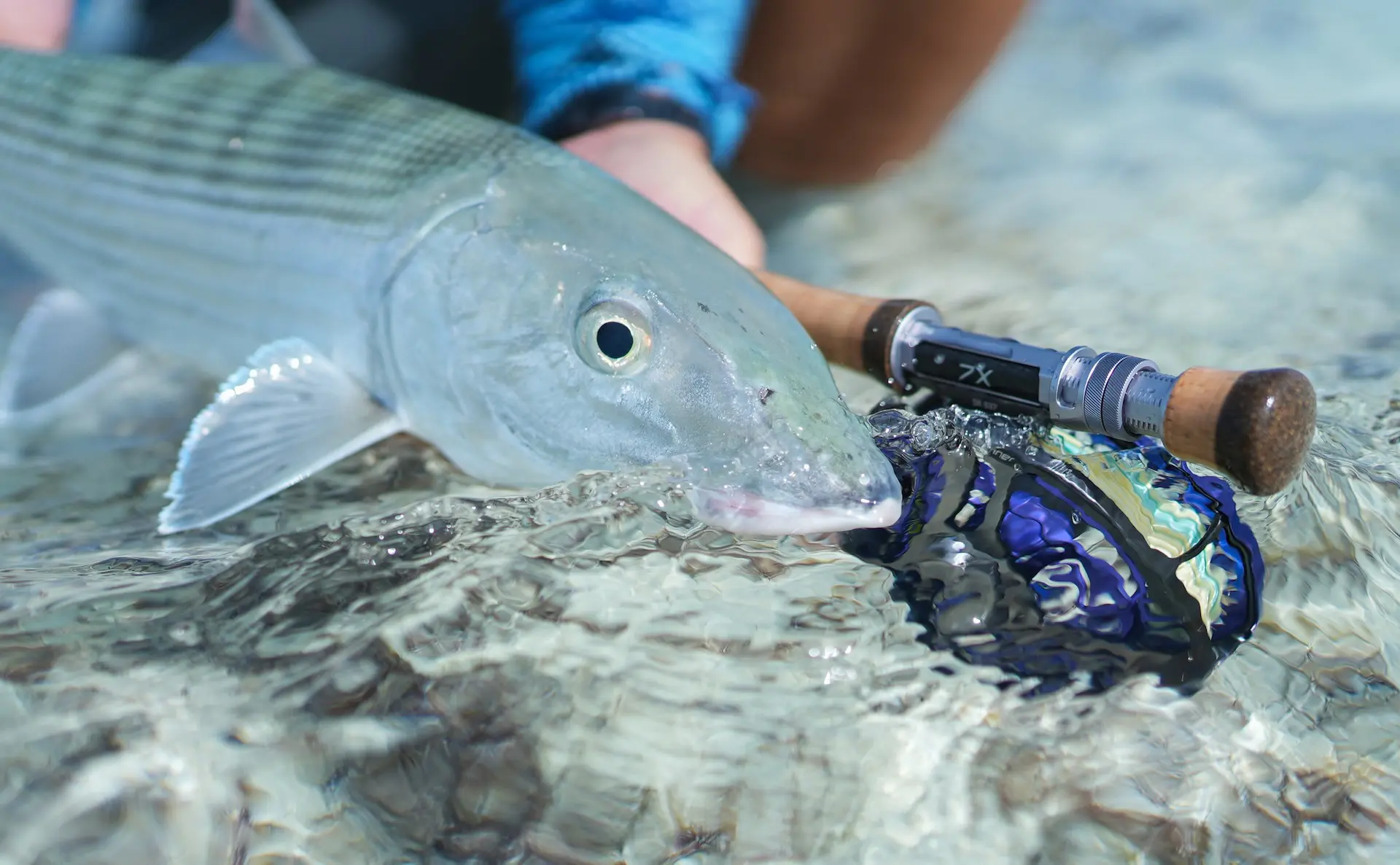
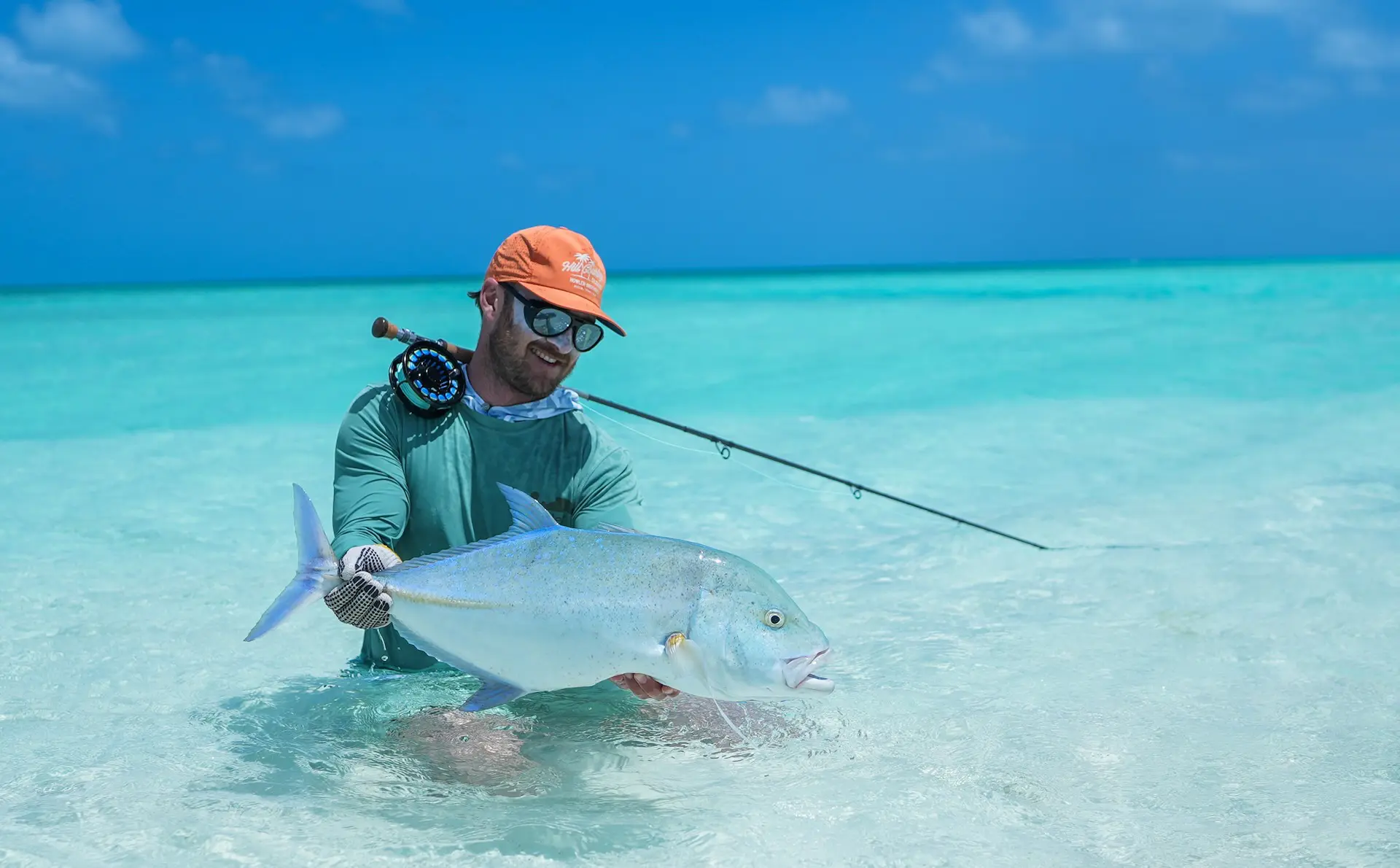
St Brandons gave us everything. Those monster GTs that still define what big means. Bonefish that ran into the backing before we could blink. Permit that-after we figured out the puzzle-tested every knot and every bit of patience. In a place this remote, the fishing isn’t just good. It’s mythical.
But what struck me most wasn’t the size of the fish or the number of species. It was the feeling of coming full circle. Starting my guiding career on this atoll as a kid who didn’t know what he had. Catching that 132cm GT that would become my lifetime best. Learning the rhythms of these flats, the moods of these fish. And then leaving, spending thirteen years wondering if it was all as special as I remembered.
All in all, this voyage back to a place that means so much to me meant more than I would ever realize.
I thought I was returning to test a memory, to see if St Brandons still held up. What I found instead was something deeper-a reconnection with the place that shaped my entire career. Every cast felt like a conversation with my younger self. Every fish was a bridge between who I was then and who I’ve become. The nervousness about returning, the fear that it wouldn’t live up to the legend-all of that melted away the moment I stepped back onto those flats.
St Brandons didn’t just meet my expectations. It reminded me why I fell in love with this life in the first place. The remoteness. The wildness. The possibility that on any given cast, something extraordinary might happen. That 132cm GT from thirteen years ago set a standard, but this return trip set something else-a reminder that some places aren’t just destinations or even chapters in your life. They’re foundations. They’re where your story begins and where, no matter how far you roam, a part of you always remains.
The voyage back proved what I’d suspected all along: you can’t truly appreciate where you started until you’ve traveled far enough to understand how rare it really was.
St Brandons. 245 nautical miles from anywhere. The place where it all began. The place where the biggest GT of my life still swims. The place I’ll carry with me, no matter where the next thirteen years take me.